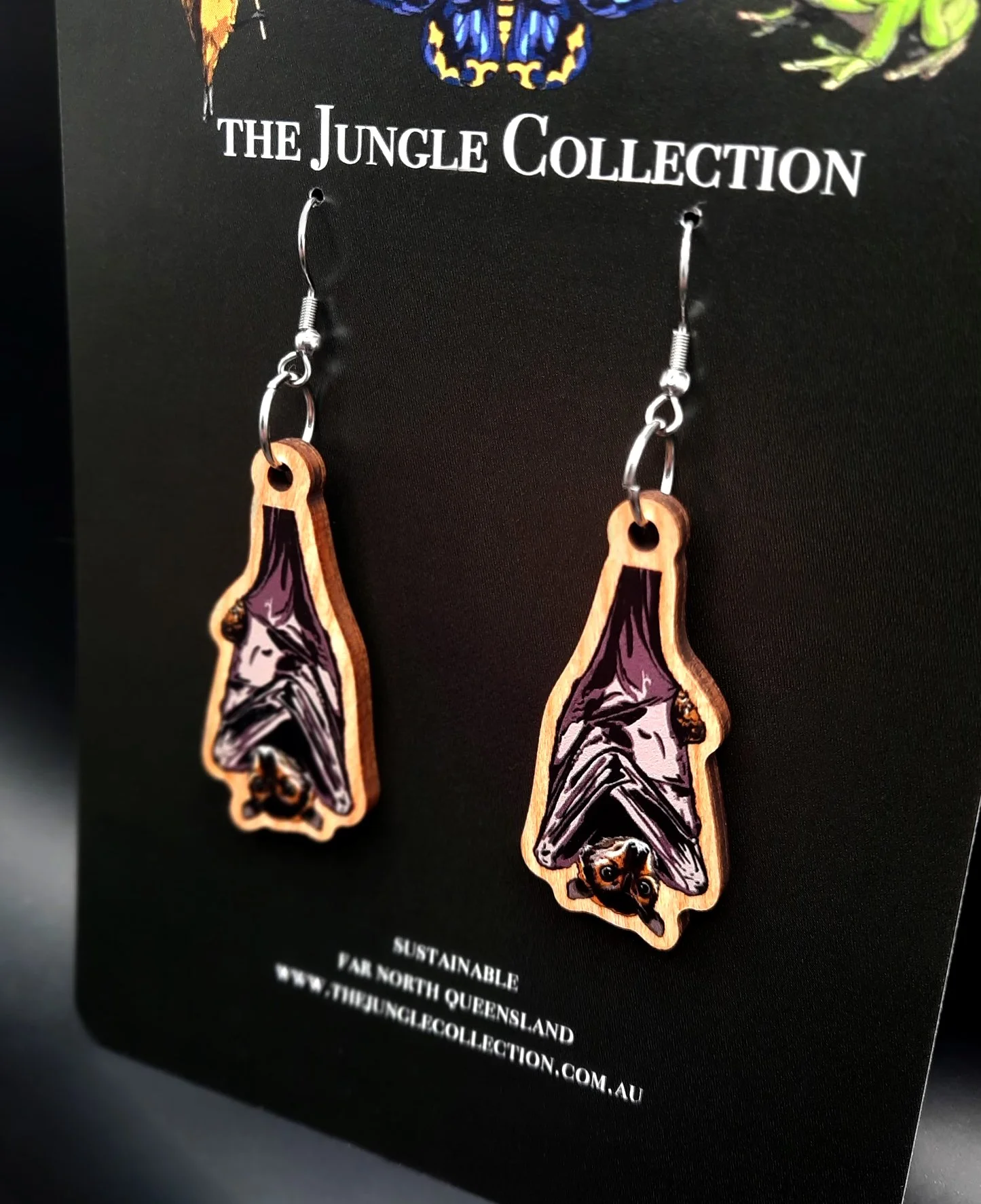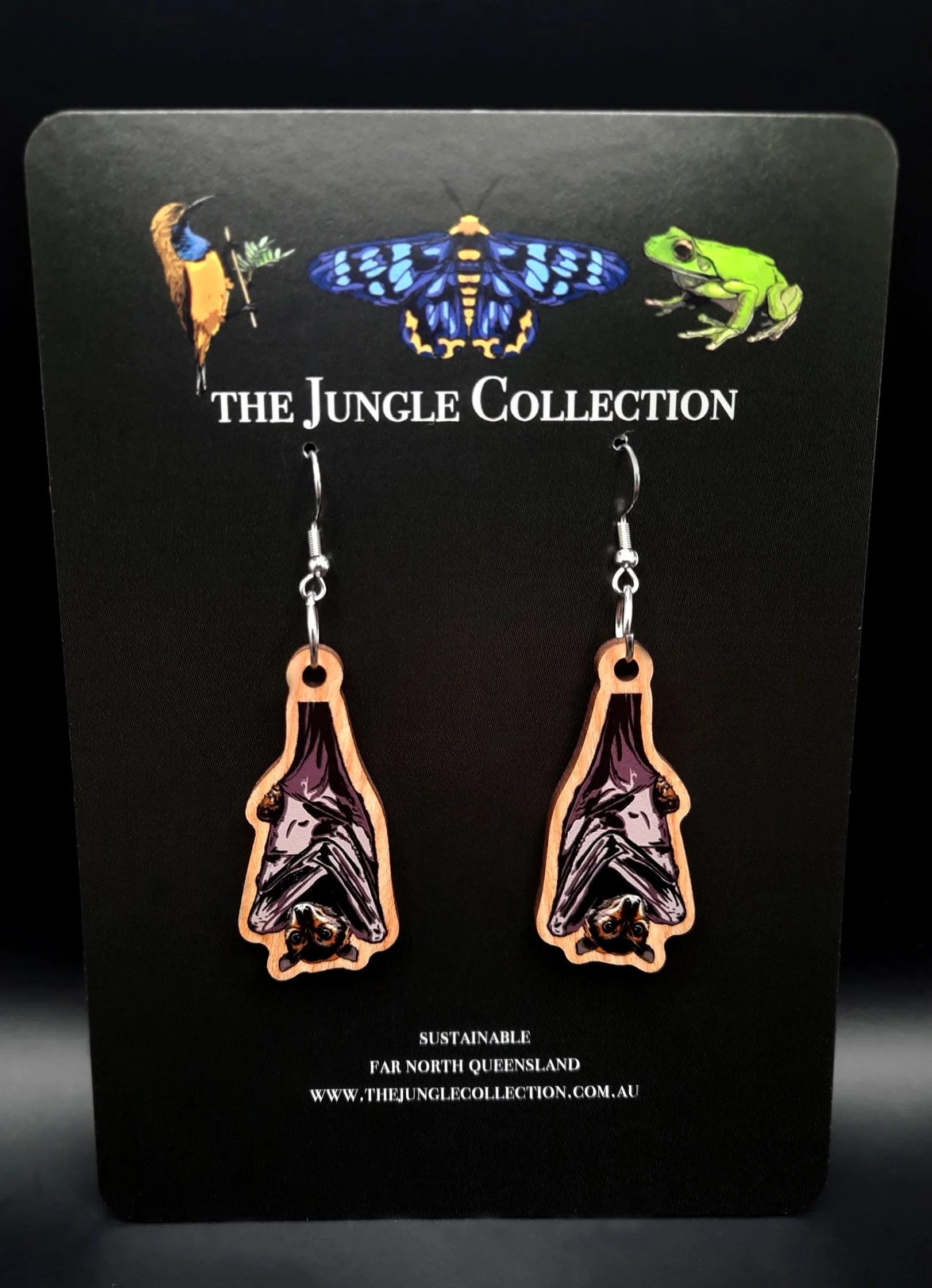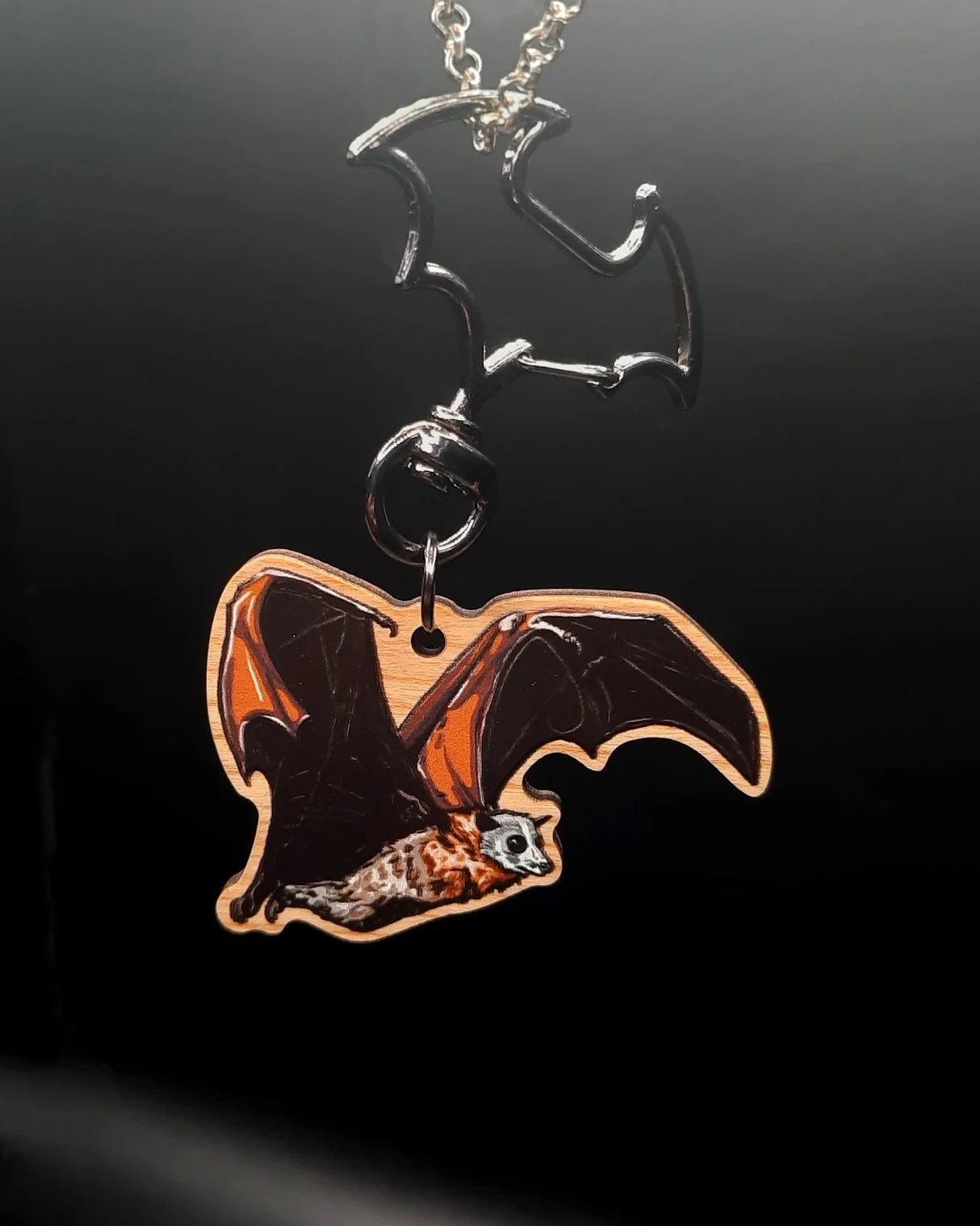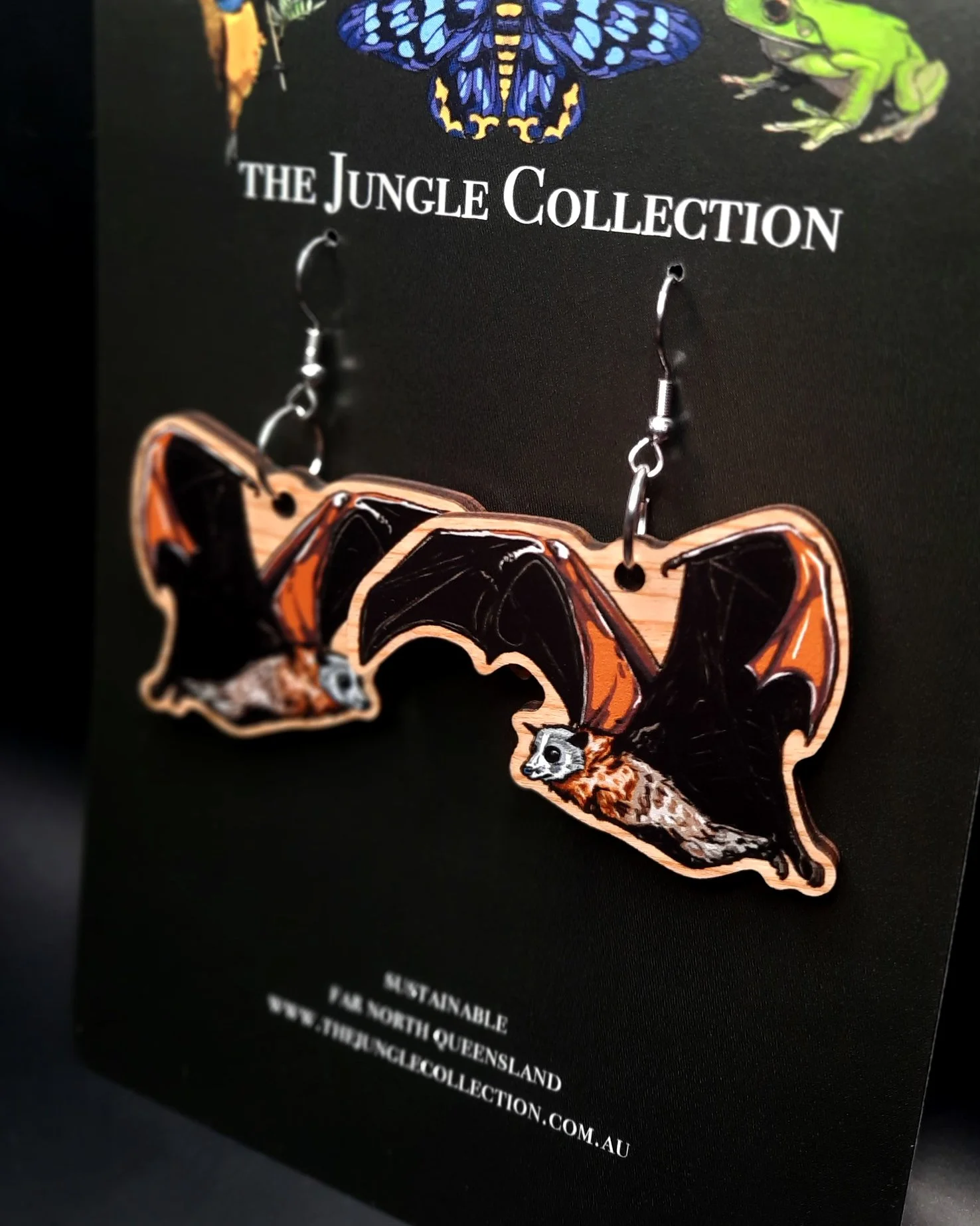
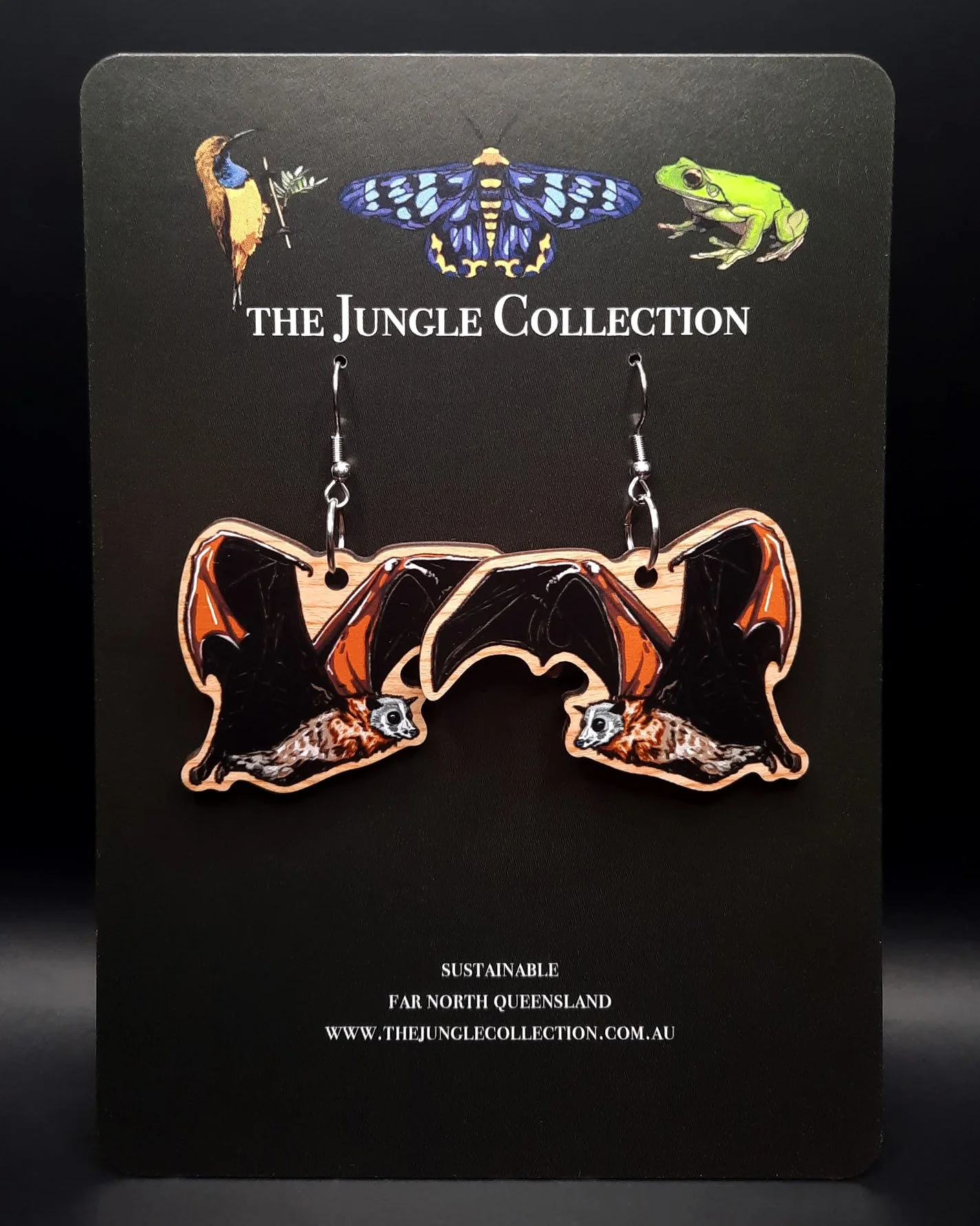
-
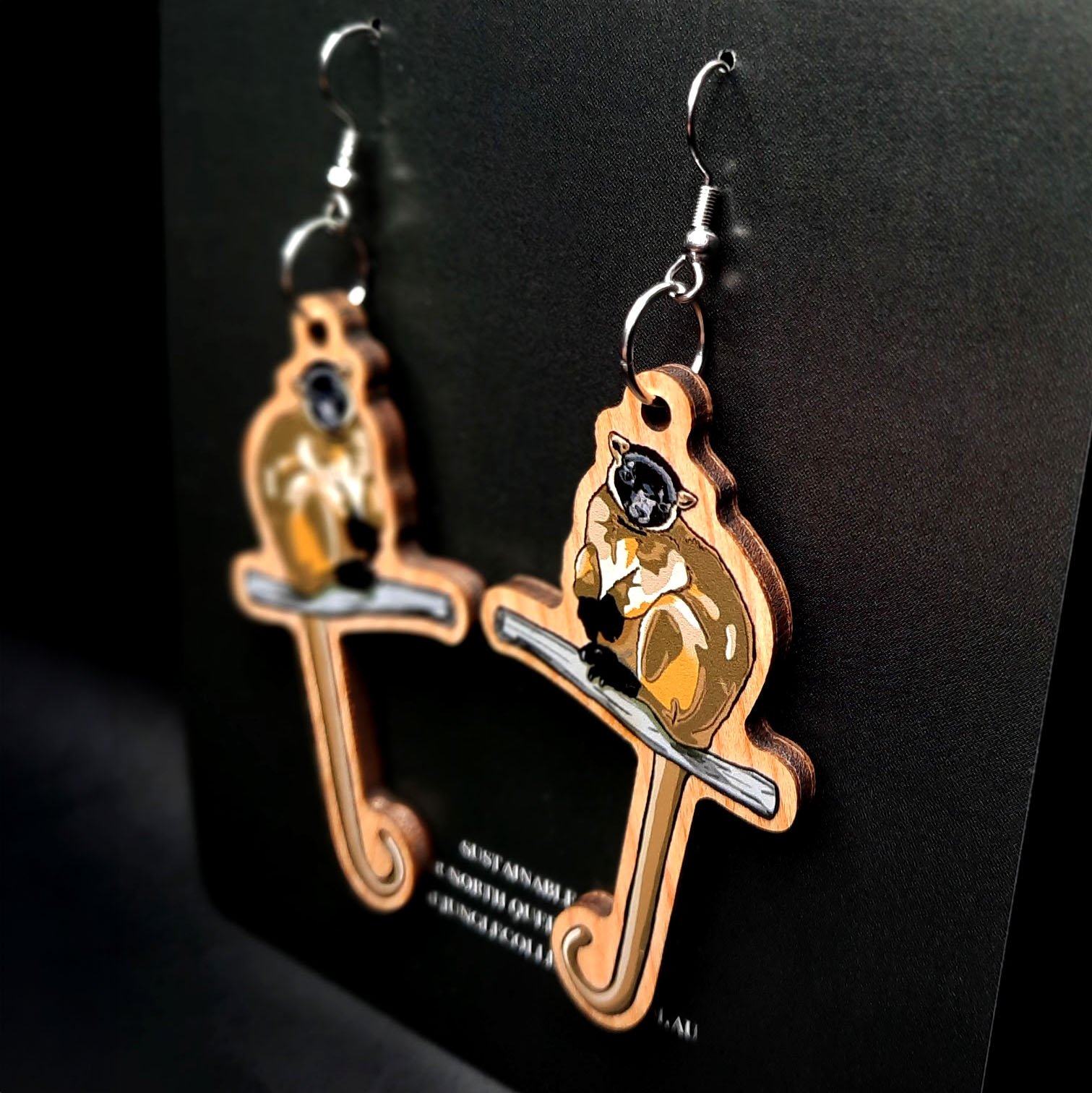
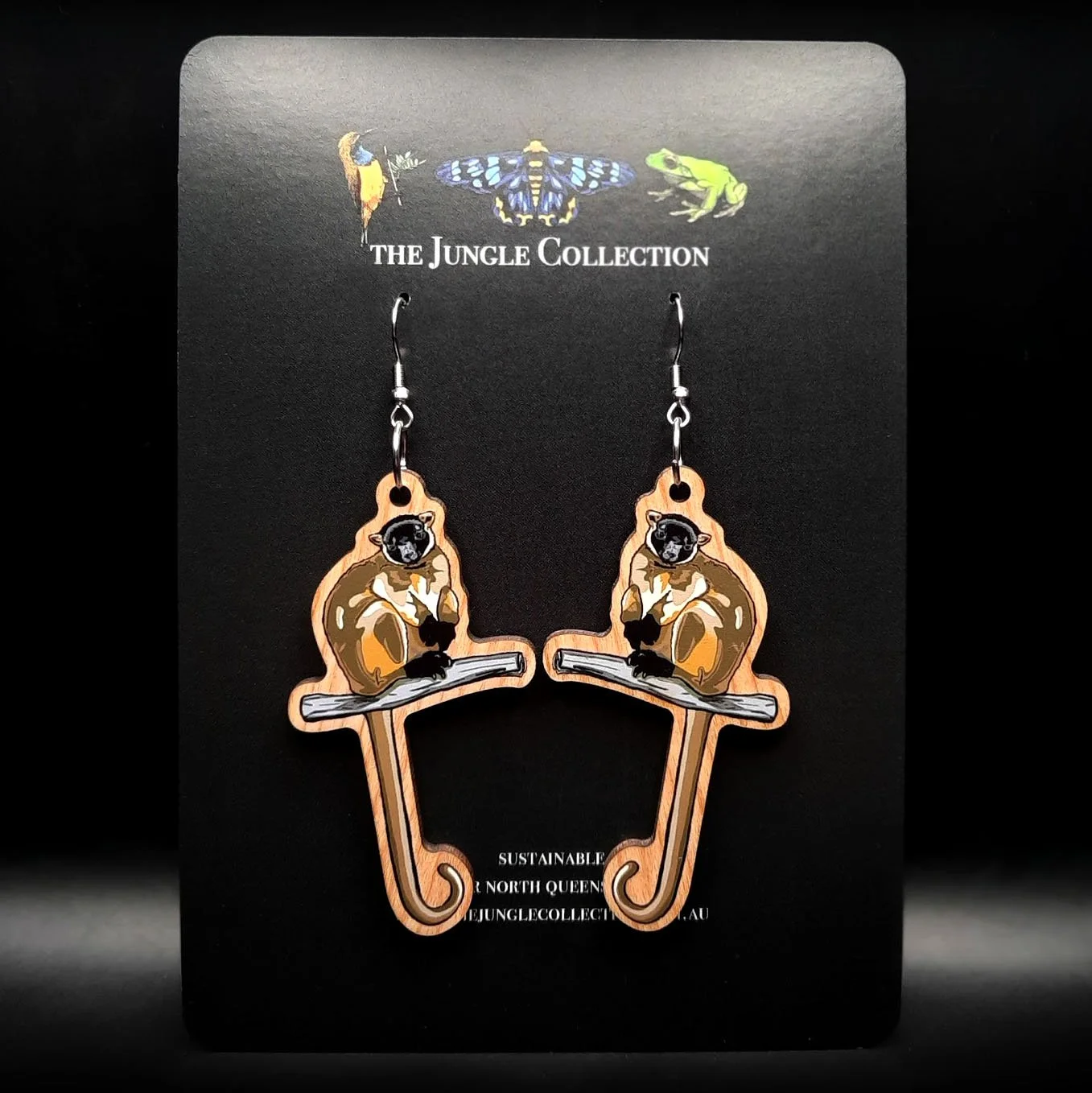
Dimensions: 5cm x 5cm (3mm thickness)
Findings: Hypoallergenic stainless steel fishhook findings, comfortable for sensitive ears.
Eco-friendly Materials: FSC-certified, responsibly sourced Cherry/Maple/Birch/or Walnut veneered MDF (exact wood species subject to availability).
Design: UV resistant, high saturation, matte finish, double-sided design.
-
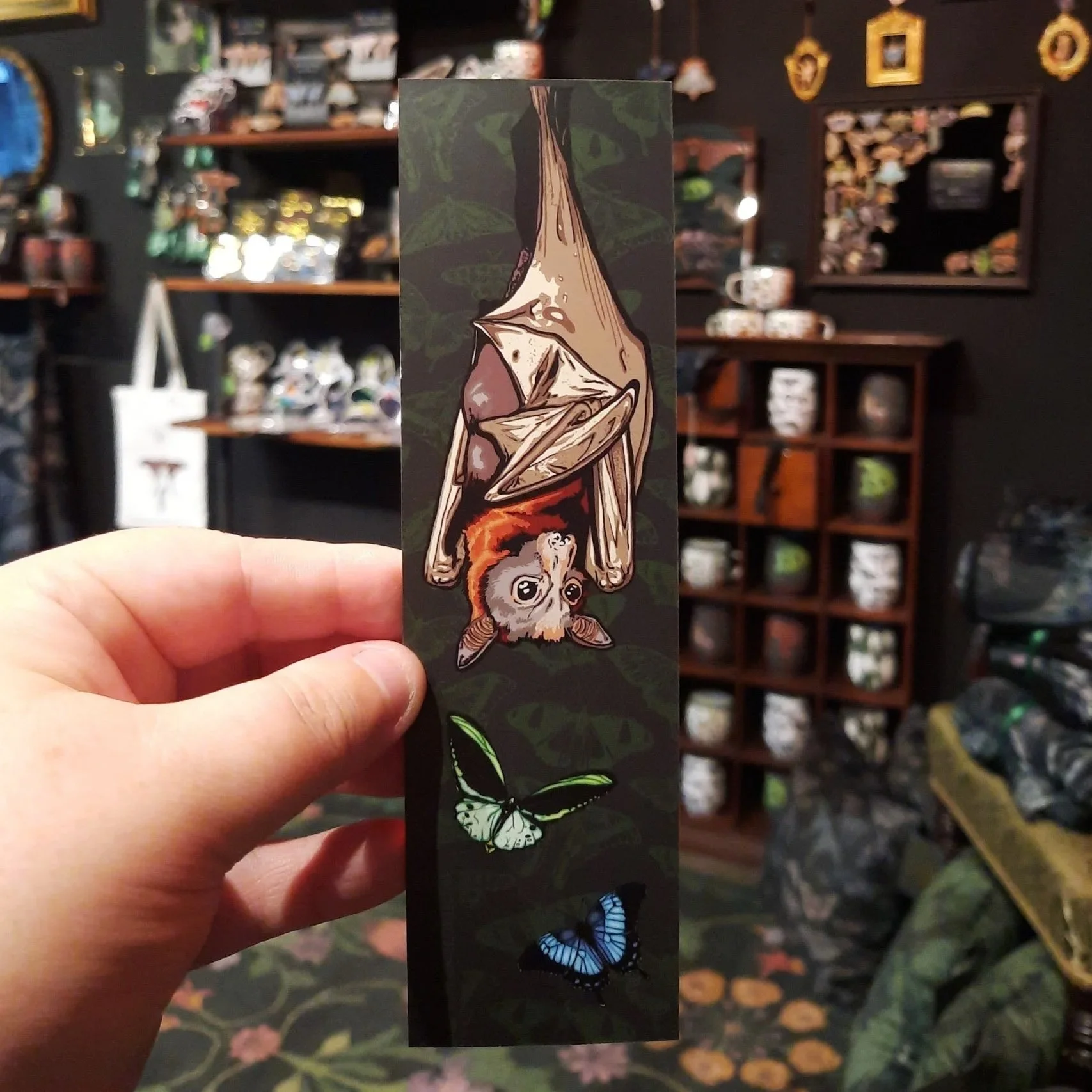
The Grey-headed Flying-fox is one of Australia’s largest fruit bats and is easily recognised by its thick reddish-brown collar, grey head, and dark body fur. Adults typically weigh between 600 g and 1 kg and have a wingspan of up to 1 metre. Their limbs and wingtips are often covered with a light fur that distinguishes them from other mainland flying-fox species.
This species is found along the eastern and south-eastern coastline of Australia, ranging from central Queensland through New South Wales to eastern Victoria and occasionally into South Australia. Grey-headed Flying-foxes roost in large colonies in tall eucalypts and rainforest trees, often near water sources. They leave their camps at dusk and can travel more than 20 km in a single night while foraging.
Grey-headed Flying-foxes feed on nectar, pollen, and fruit from a wide range of native trees including eucalypts, melaleucas, and figs. Through this diet they play a critical ecological role as long-distance pollinators and seed dispersers. Their movement between forest types helps maintain the genetic diversity and regeneration of many Australian plant species.
The reproductive cycle includes a single pup produced each year, usually born between October and December. Mothers carry their young for the first few weeks, then leave them clustered at the roost while they forage at night. Juveniles become independent after several months.
The Grey-headed Flying-fox is listed as Vulnerable under the EPBC Act due to ongoing population declines caused by habitat loss, food shortages, extreme heat events, and conflict with humans. Conservation actions focus on protecting roosting habitat, improving landscape connectivity, monitoring population trends, and reducing risks associated with urban heat stress and entanglement in fruit netting or barbed wire.
-
- Remove item when showering, swimming or when in contact with water.
- Remove for sleep or exercise.
- Avoid contact with lotions, perfume or excessive sunlight.
- Keep in a cool, dry location when not being worn.
- Handle with care.
Due to the nature of this material, each piece is subject to the natural variations in wood grain, texture and colour expected when using natural materials. Be mindful of this before committing to buy as we do not accept returns for earrings as outlined in our returns policy.
-
- Cairns Local: Designed and assembled in Cairns by artist Jenna Minchin: Owner of The Jungle Collection, Cairns local of 13 years, established artist and regionally recognised entrepreneur.
- Support Small: We operate from our retail store in the heart of Cairns city, in Oceana Walk Arcade (since Sept 2024). To keep our focus small & sustainable, we only hold small quantities of stock, choosing to create small batches of products to respond to demand.
- Sustainably Focused: To honour the Rainforest and the wildlife within it, we strive to use ethical, sustainable and responsibly sourced materials for our products (when possible, to do so). This includes responsibly sourced wood, recycled acrylic, reclaimed steel and recycled papers. More information on this can be found in our policy page.